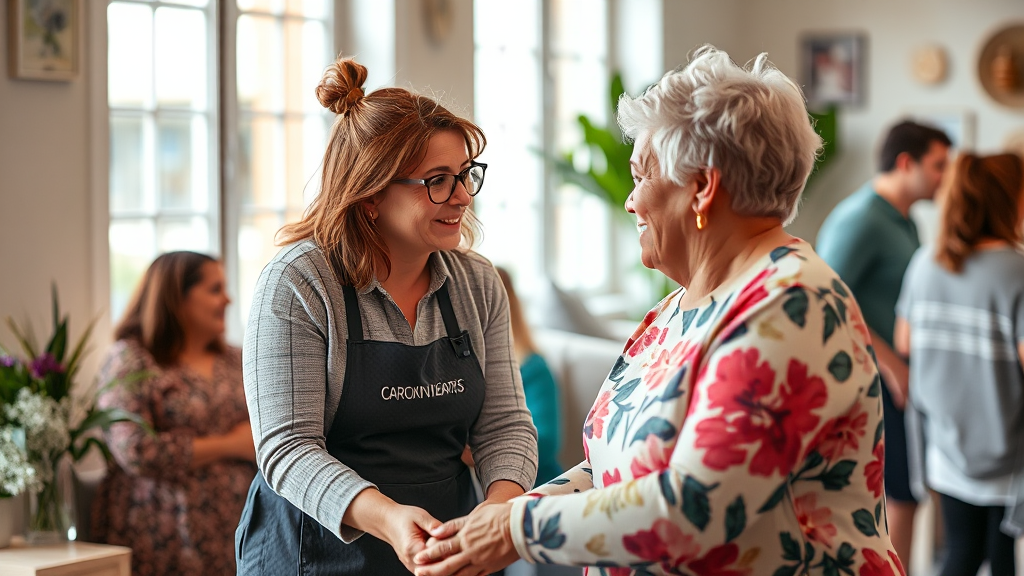
Building Stronger Communities Through Meaningful Participation Social Activities
Social connection is a fundamental human need. For people living with disability, however, opportunities to engage in community life are often limited by barriers that have nothing to do with ability. This is where Participation Social support comes into play—a vital service under the NDIS that helps individuals build relationships, develop skills, and enjoy a sense of belonging. In this article, we explore how structured social participation can transform lives and why choosing the right NDIS Provider matters for achieving genuine outcomes.
Understanding Social Participation Under the NDIS
The National Disability Insurance Scheme (NDIS) recognises that community engagement is not a luxury but a necessity. Social participation supports are designed to assist participants in joining community, social, and recreational activities. This can range from attending a local sports club, joining an art class, volunteering, or simply going out for coffee with friends. For many, these activities are stepping stones to greater independence and confidence.
However, navigating the NDIS can be complex. A Registered NDIS provider can help participants understand their plan and identify suitable activities that align with their goals. The key is to focus on personal interests rather than generic programs. When a person is genuinely interested in an activity, participation becomes more meaningful and sustainable.
Why Community Participation Matters
Isolation is a silent struggle for many individuals with disability. Research consistently shows that social connection improves mental health, cognitive function, and physical well-being. Participation in community activities also provides opportunities to learn new skills, from communication to problem-solving, in natural environments.
For families, seeing their loved one thrive socially brings immense relief and joy. It shifts the focus from what a person cannot do to what they can achieve with the right support. A skilled Provider Melbourne understands this and designs participation plans that are person-centred, flexible, and outcome-focused.
How Caring Hearts Facilitates Social Inclusion
At Caring Hearts, the approach to social participation is holistic. Their team of experienced support workers goes beyond mere supervision; they act as facilitators of connection. Whether it’s accompanying a participant to a community event or helping them build friendships through shared interests, the goal is to foster independence and belonging.
Moreover, Caring Hearts offers Disability Care Services that integrate seamlessly with daily routines. This ensures that participation is not an occasional outing but a consistent part of life. By collaborating with local community groups, they create pathways for participants to engage in a variety of settings—libraries, parks, recreational centres, and more.
The Role of Supported Independent Living in Social Engagement
Living arrangements play a crucial role in social participation. For those in Supported Independent Living (SIL), the home environment is often the base from which community connections grow. A supportive SIL setting encourages residents to invite friends over, participate in household decisions, and engage in neighbourhood activities.
Caring Hearts provides Specialised Disability accommodation that is not only safe and accessible but also conducive to social interaction. Shared living arrangements can naturally lead to friendships among housemates, while staff are trained to encourage social outings and skill-building. The result is a more vibrant, connected lifestyle.
Accommodation and Its Impact on Community Ties
Short-term accommodation (STA) and medium-term accommodation (MTA) also offer unique opportunities for social growth. These services are often used for respite or during transitions, but they can be powerful platforms for trying new activities and meeting new people. A stay at a well-run Accommodation facility can introduce participants to social experiences they might not otherwise encounter.
For example, group activities organised within STA settings—like movie nights, cooking sessions, or board game tournaments—can help participants practice social skills in a safe environment. Caring Hearts ensures that such programs are available and tailored to individual preferences.
Integrating Daily Living Skills with Social Opportunities
Social participation does not happen in a vacuum. Often, it is intertwined with everyday tasks. Learning to shop for groceries, use public transport, or manage personal finances can be social experiences when done with others. NDIS Daily Living supports can be structured to include community outings, turning routine errands into opportunities for interaction.
Moreover, Personal Care routines can be adapted to prepare for social events—dressing appropriately, grooming, and managing personal hygiene. With the right Daily Living Support, participants feel more confident in social settings, knowing they look and feel their best.
NDIS Community Programs and Group Activities
Group activities are a cornerstone of social participation. They provide a structured yet relaxed environment where participants can interact with peers who share similar interests. NDIS Community programs often include art workshops, music sessions, sports clubs, and cultural outings. These are not just fun—they are therapeutic and developmental.
Caring Hearts offers Community Participation Support that is both flexible and goal-oriented. Their team works with participants to identify activities that build confidence, communication, and social networks. Whether it’s a weekly dance class or a weekend hiking group, the aim is to help participants find their tribe.
Addressing Mental Health Through Social Connection
Mental health and social participation are deeply linked. Loneliness can exacerbate anxiety and depression, while regular social engagement can be a protective factor. For individuals with psychosocial disabilities, participation is not merely beneficial—it is essential. Psychological Support combined with social activities can create a powerful recovery pathway.
Providers like Caring Hearts, located in (Dandenong), recognise this connection. They offer integrated services that address both mental health and social needs, ensuring participants receive comprehensive care. This holistic approach is what sets quality providers apart.
Therapeutic Services That Complement Social Participation
Allied health services play a significant role in enabling social participation. For instance, occupational therapy can help individuals develop the skills needed for certain activities, while speech pathology can improve communication for social interaction. NDIS Allied Health Services are designed to work alongside participation supports, removing barriers and enhancing abilities.
Caring Hearts offers a range of allied health services, including Physiotherapy, Occupational Therapy, Speech Pathology, Psychology/Counselling, and Exercise Physiology. These therapies can be delivered in the community, making it easier for participants to apply their skills in real-world settings. For those who prefer remote support, Telehealth options are also available, ensuring continuity of care.
Structured Day Programs and Fitness Activities
Day programs offer a structured way to engage in social activities during the week. These programs often include educational workshops, creative arts, and life skills training. They provide a predictable routine that many participants find comforting. Day Programs at Caring Hearts are designed to be stimulating and enjoyable, with a focus on building social networks.
Physical activity is another avenue for social connection. A Fitness Centre that is accessible and welcoming can be a social hub. Group exercise classes not only improve physical health but also foster camaraderie. Caring Hearts encourages participants to explore fitness options that suit their abilities, whether it’s yoga, hydrotherapy, or adapted sports.
Specialised Support for Complex Needs
Some participants require more intensive support to engage socially. This is where High Intensity Care comes into play. Trained professionals can manage complex health needs while still facilitating community participation. It’s about safety and empowerment—ensuring that no one is excluded from social life due to medical complexity.
Similarly, Respite Care offers families a break while providing participants with enjoyable social experiences. Respite can be a chance to try new activities, meet new people, and build independence in a supportive environment. Caring Hearts offers respite options that are both relaxing and socially enriching.
24-Hour Care and Continuous Social Opportunities
For those who need round-the-clock assistance, 24-hour care / disability support ensures that social opportunities are not limited by time. Night-time activities, such as attending evening events or visiting friends, become possible with adequate support. This flexibility is crucial for a full social life.
Caring Hearts provides 24-hour care that is respectful and person-centred. Their staff are trained to encourage social engagement at all hours, always prioritising the participant’s choices and comfort.
The Importance of Support Coordination
Navigating the NDIS can be overwhelming, but NDIS Support Coordination can simplify the process. A support coordinator helps participants understand their plan, connect with providers, and manage budgets. They also play a role in identifying social participation opportunities and ensuring that the participant’s goals are being met.
At Caring Hearts, support coordinators work closely with participants and their families to build a network of supports that promotes social inclusion. They are advocates for the participant’s vision of a good life.
Inclusive Services for All Ages
Social participation is important for all age groups, including children. pediatrics services are designed to help young people with disability develop social skills early. Playdates, after-school clubs, and youth groups can be facilitated by trained support workers, laying the foundation for lifelong social health.
Caring Hearts understands that children need specialised approaches. Their paediatric support is playful, patient, and family-centred, ensuring that young participants enjoy social interactions while building crucial skills.
Conclusion
Meaningful social participation is a right, not a privilege. With the right support, individuals with disability can lead rich, connected lives. Whether through community programs, day activities, or supported living arrangements, the opportunities are vast. Choosing a provider that truly understands the value of social connection—like Caring Hearts—can make all the difference. If you or a loved one are seeking to enhance social participation, consider reaching out to a provider that offers comprehensive, person-centred services. Remember, every step towards inclusion is a step towards a stronger community for us all.
Frequently Asked Questions
What is social participation under the NDIS?
Social participation under the NDIS refers to supports that help participants engage in community, social, and recreational activities. This can include joining clubs, attending events, volunteering, or simply spending time with friends. The goal is to build skills, confidence, and relationships.
How do I access social participation supports?
You can access social participation supports if they are included in your NDIS plan under ‘Improved Social and Community Participation’ or ‘Social and Community Participation’. Discuss your goals with your planner or support coordinator to ensure funding is allocated.
Can social participation be combined with other therapies?
Absolutely. Many participants combine social participation with allied health services like occupational therapy or speech pathology. This integrated approach helps generalise skills learned in therapy to real-life social situations.
Does Caring Hearts offer social participation support for children?
Yes, Caring Hearts offers paediatric services that include social participation supports for children. Their team can facilitate playdates, community outings, and skill-building activities tailored to young people.
What if I need support outside regular hours?
Caring Hearts provides 24-hour care options, ensuring that social opportunities are available at any time. Whether it’s a late-night event or an early morning activity, support is available to make it happen.